Episode 63: Forget the Scale: A Smarter Way to Take Control of Your Health with Torkil Færø
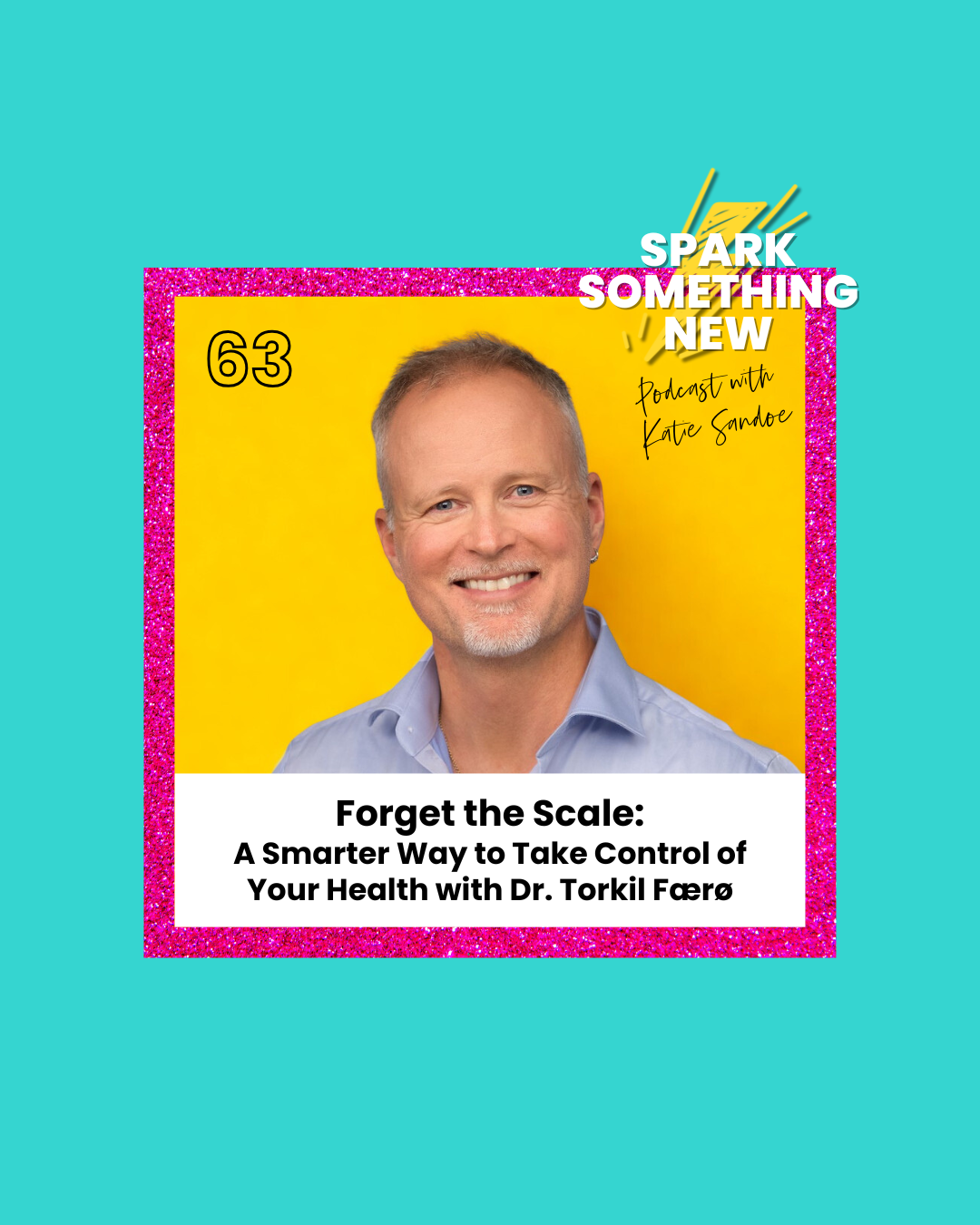
Episode Snapshot:
It’s the first Monday of 2026—aka “new year, new health goals” season—and this episode offers a refreshingly different way to take control of your wellbeing: track what’s happening inside your body, not what’s showing up on the scale. Dr. Torkil Færø breaks down important metrics from everyday wearables that can become your personal health dashboard for energy, resilience, and longevity.
Summary:
In this conversation, Dr. Katie nerds out (in the best way) with Dr. Torkil Færø—medical doctor, photographer, and bestselling author of The Pulse Cure—about how wearable data can help you “listen” to your body with more clarity than guesswork alone. Torkil explains why metrics like heart rate variability (HRV) and resting heart rate can signal stress, inflammation, overtraining, late meals, alcohol, or even an oncoming illness before symptoms appear—essentially giving you early warning signs so you can respond sooner.
Rather than chasing trendy fixes, Torkil reframes the goal as health normalization: getting your body back to how it’s designed to function. He emphasizes that the biggest levers are still the basics—sleep, movement, sunlight, nutrition, stress management, and connection—yet most people underestimate how powerfully these choices show up in their data. The episode ultimately lands on an empowering message: your wearable can help you reclaim agency, reduce chronic “blah,” and build a lifestyle that supports long-term vitality and longevity.
Key Learnings:
Your body often “knows” before you do. HRV dropping and resting heart rate rising can be early indicators of illness, inflammation, or overload—sometimes before you feel symptoms.
VO₂ max is a longevity signal. Improving fitness capacity isn’t just about performance—it’s strongly tied to overall health and long-term outcomes (and it reflects how well your cells, especially mitochondria, are functioning).
Food, alcohol, and timing can be major stressors. Ultra-processed foods, added sugar, alcohol, and late-night eating can show up clearly in your recovery and sleep—sometimes more than your “mental stress” does.
Data builds body awareness—not replaces it. Wearables act like a missing “internal sense,” helping you connect patterns (sleep, meals, cycle timing, training load) to how you feel and function.
Resources:
The Pulse Cure — Dr. Torkil Færø (also available as an audiobook)
Wearables mentioned: Garmin (recommended as best value), Oura Ring, WHOOP, Apple Watch (usable, varies by features)
Key metrics to explore: HRV, resting heart rate, VO₂ max, sleep score/recovery, stress tracking
Guest Info:
Dr. Torkil Færø is a medical doctor, photographer, and bestselling author known for making health data practical and accessible. After working with tens of thousands of patients, he became passionate about prevention—and about helping people use everyday wearable metrics to better understand stress, recovery, sleep, and overall resilience. His book The Pulse Cure shares lifestyle-based strategies to “normalize” health by using the heart’s signals as a real-time guide. He’s also built a global following by translating complex physiology into simple, actionable steps people can use immediately.